3D Printer Spare Parts

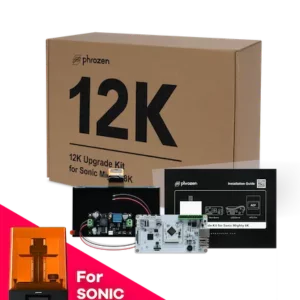
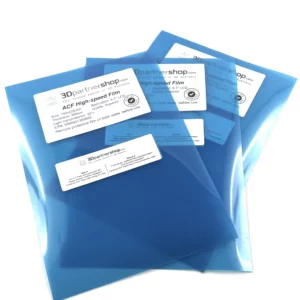
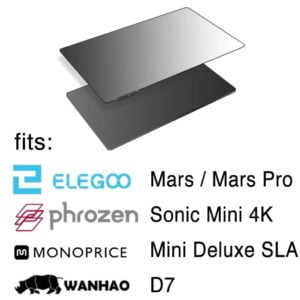
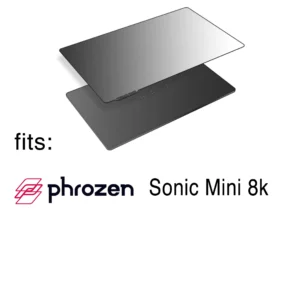
3D printers need spare parts for maintenance and repair to run optimal and long. Replacing worn or broken parts regularly can prevent downtime and improve print quality.

Spare Parts

Spare parts are:

  • Nozzles: Control the filament flow, different sizes for different resolutions.
  • Cables: Ensure connection between components; broken cables can stop functionality.
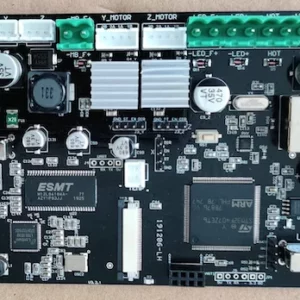
  • Mainboards: The brain of the printer, process commands and control movements.
  • Stepper Motors: For precise movement; wear can cause printing inaccuracies.
  • Power Supplies: Provide power; a failing power supply can stop the printer.
  • Extruders: Push filament into the hot end; upgrades can improve feeding efficiency.
  • Heater Blocks and Hot Ends: Crucial for melting filament; replacements needed due to wear or clogs.

Materials used in Spare Parts

Common materials used in 3D printer spare parts:

  • ABS (Acrylonitrile Butadiene Styrene): Strong and impact resistant, for functional parts.
  • PLA (Polylactic Acid): Easy to print with, for prototypes but less durable than ABS.
  • Nylon: Flexible and durable, for mechanical parts.

You can find these spare parts from various suppliers; make sure you have them when you need them. Technologies like FDM (Fused Deposition Modeling), Resin printing and SLS (Selective Laser Sintering) are used to produce these parts.

By investing in high quality spare parts from suppliers like 3Dpartnershop.com you’ll ensure your 3D printer runs smooth. This will not only improve print quality but also extends the life of your machine.

Find & buy the right 3D printer spare part

Finding the right 3D printer spare parts is key to maintenance and upgrades. 3D printers need spare parts to run optimal, long and reliable. Whether you need to replace a worn out part or upgrade your printer, you need to know where to look.


What are the benefits of 3D printing spare parts?

3D printing has many benefits for spare parts, that’s why it’s becoming more and more popular across industries. On-demand production is one of the biggest advantages, you can produce spare parts as you need them which reduces lead times and inventory costs.

Cost savings is another big plus. 3D printing is great for low volume production runs, you can print complex geometries that traditional manufacturing can’t. This saves money and allows for innovative designs that improve product functionality.

Spare parts availability is increased by local production. With 3D printing you can produce critical parts on-site or close to your operations, so essential parts are always available when you need them.

Inventory costs are reduced through digital inventory management. By storing digital files instead of physical stock, you free up valuable storage space and minimize waste caused by excess inventory.

Finally 3D printing helps to mitigate supply chain risks by allowing local production of critical spare parts. This reduces dependency on external suppliers and long shipping times, making the supply chain more resilient.


Advantage Description Impact


On-demand production Allows for immediate creation of spare parts Reduces lead times and inventory costs
Cost-effectiveness Ideal for low-volume production and complex designs Saves money and encourages innovation
Increased availability Enables local production of essential components Ensures quick access to necessary parts
Reduced inventory costs Facilitates digital inventory management Frees up storage space
Mitigation of supply chain risks Localized production reduces reliance on external suppliers Enhances supply chain resilience


By using these benefits you can be more efficient and reduce costs of spare part management.

Comparison Table of 3D Printing Technologies

Technology Materials Used Key Characteristics


FDM ABS, PLA, PETG Easy to use; good mechanical properties
SLA Resins High detail; smooth surface finish
SLS Nylon, Polypropylene Strong; flexible; suitable for functional parts

Choosing the right material depends on your specific needs such as strength requirements, environmental conditions, or aesthetic preferences. Each type of material has unique properties that can enhance the functionality of your spare parts while ensuring they meet performance standards.


Materials for 3D printing spare parts

3D printing uses various materials for spare parts, giving you flexibility and customization to your needs. The material choice has a big impact on the performance, durability and application of the printed parts.

Common materials used in 3D printing spare parts:

  • ABS: Strong and durable, ABS is great for functional parts that need impact resistance.
  • PLA: Biodegradable and easy to print with, PLA is good for prototypes and non-load bearing parts.
  • PETG: Combines the best of ABS and PLA, PETG is strong and flexible while being resistant to moisture.
  • Nylon: Engineering thermoplastic known for its flexibility and strength, perfect for parts that need to withstand wear.* Carbon Fiber: Reinforced composites for high-performance applications.
  • ASA: Similar to ABS but with better UV resistance, for outdoor use.
  • Polycarbonate: High impact resistance and transparency, for demanding applications that require clarity.
  • Polypropylene: Chemical resistance and fatigue endurance, for automotive or industrial use.
  • TPU (Thermoplastic Polyurethane): Flexible material for rubber-like parts that need elasticity.
  • HIPS (High Impact Polystyrene): Support material due to solubility in limonene, also for low-stress applications.
  • PVA (Polyvinyl Alcohol): Water-soluble filament, used as support material in dual-extrusion setups.
  • Metals: Stainless steel, aluminum and titanium for high-stress applications.

for any 3D printing application.


Material Attributes Common Uses


ABS Tough, durable Functional prototypes
PLA Biodegradable Non-load-bearing prototypes
PETG Strong, moisture-resistant Mechanical parts
Nylon Flexible, strong Wear-resistant components
Carbon Fiber High strength-to-weight ratio Aerospace components
ASA UV resistant Outdoor fixtures
Polycarbonate High impact resistance Safety glasses
Polypropylene Chemical resistant Automotive parts
TPU Elastic Flexible seals
HIPS Soluble support material Support structures
PVA Water-soluble Dual-extrusion supports
Metals High strength Structural components

Selecting the right material depends on the specific requirements of your project. Consider factors such as mechanical properties, environmental exposure, and ease of printing when making your choice. This diverse range of materials ensures that you can find the perfect fit for any 3D printing application.

Spare parts as upgrades to enhance printer performance

Upgrading your 3D printer with spare parts can significantly improve performance and lifespan. Spare parts can be used as upgrades to improve printer performance, for better print quality, speed and reliability.

Spare parts for upgrades

  • Nozzles: Upgrade to high quality nozzles for better extrusion and precision. Different nozzle sizes for varying layer resolutions and print detail.
  • Hotends: Switch to all-metal hotend for higher temperature printing, essential for Nylon or Polycarbonate. This upgrade allows for more material compatibility and less clogs.
  • Motor Dampers: Reduce vibration during printing for smoother finishes and more accurate details. These are especially useful for high speed printing.
  • Using spare parts to repair or maintain 3D printers

3D printers need spare parts for maintenance and repair to run optimal and long. Regular use can cause wear and tear, so you should have the right parts on hand. Spare parts are necessary for repairing 3D printers and keeping them operational, so you can fix issues fast.


Comparison of Upgrade Types

Upgrade Type Examples Benefits


Nozzles Brass, Hardened Steel Improved extrusion consistency
Hotends All-Metal Hotends Higher temperature capability
Motor Dampers Vibration Dampers Enhanced print quality by reducing vibrations

Investing in these spare parts not only improves the functionality of your printer but also allows you to tackle a wider range of projects with greater ease.


3D printing technology for custom spare parts 

3D printing changes the way custom spare parts are produced, with many advantages over traditional manufacturing. 3D printing produces spare parts on demand, reducing inventory storage and lead times. This on-demand production is especially helpful for industries that need quick access to components without the burden of excess stock.


Reducing downtime and costs with 3D printed spare parts

3D printing increases operational efficiency by reducing downtime and costs of spare parts. It produces parts fast, so businesses can replace broken or worn out parts without long waiting time.

One of the main advantages of 3D printing is to produce spare parts on demand. This allows to improve availability, as manufacturers can produce parts as needed instead of traditional inventory methods. By minimizing the need for stockpiling, companies can also reduce costs associated with inventory storage and management.

Benefits of 3D printed spare parts:

  • Reduced downtime: 3D printing produces spare parts fast.
  • Lower costs: It reduces costs by minimizing inventory storage needs and production costs for low volume parts.
  • Improved availability: Spare parts are produced by 3D printing, available when needed.
  • Digital inventory management: The technology allows digital inventory management, on-demand production.
Benefit Description Impact


Reduced downtime Quickly produces spare parts Minimizes operational interruptions
Lower costs Reduces expenses related to storage and low-volume production Increases overall profitability
Improved availability Enhances access to necessary components Supports continuous operations
Digital inventory management Enables on-demand production Streamlines supply chain processes


Manufacturers are increasingly using 3D printing to mitigate supply chain risks. By having the ability to print critical parts in-house or through local services, they can keep running even when traditional supply chains fail.Overall.

SHOPPING CART

close
Join Waitlist We will inform you when the product arrives in stock. Please leave your valid email address below.